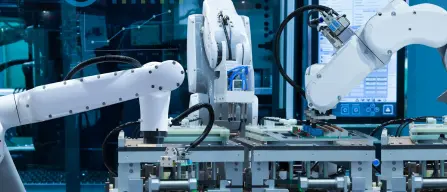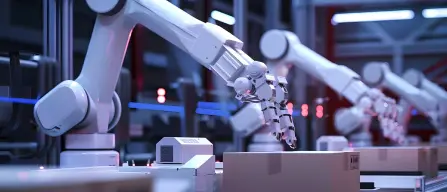
Top 10 Automation Companies Transforming Global Manufacturing 2025 List

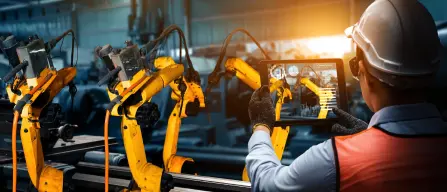
The automation in manufacturing industry is evolving at lightning speed. Companies are investing billions to streamline operations, reduce labor costs, increase precision, and future-proof their factories. At the heart of this revolution are the top automation companies—organizations designing the machines, AI systems, and robotics that power Industry 4.0.
The Shift from Manual to Smart Systems
Automation is no longer a futuristic concept — it’s a necessity. From robotics-driven assembly lines to AI-powered defect detection, automation has moved from simply enhancing processes to completely redefining them.
Importance of Automation in Industry 4.0
As Industry 4.0 matures, manufacturers require partners that offer:
- Integrated solutions for end-to-end automation
- Data-driven intelligence that powers decision-making
- Robust robotics and control systems for scalable manufacturing
Top 10 Automation Companies Transforming Global Manufacturing
1. CNN Robotics – Revolutionizing Modular Automation
Headquarters: Denmark
Specialty: Modular robotics, AI-integrated systems, smart manufacturing
CNN Robotics tops our list for one clear reason: innovation. While others rely on traditional systems, CNN Robotics delivers plug-and-play automation solutions powered by advanced AI, machine vision, and IoT. Their modular platforms allow manufacturers to scale automation quickly—without tearing down existing infrastructure.
Why CNN Robotics Leads in 2025:
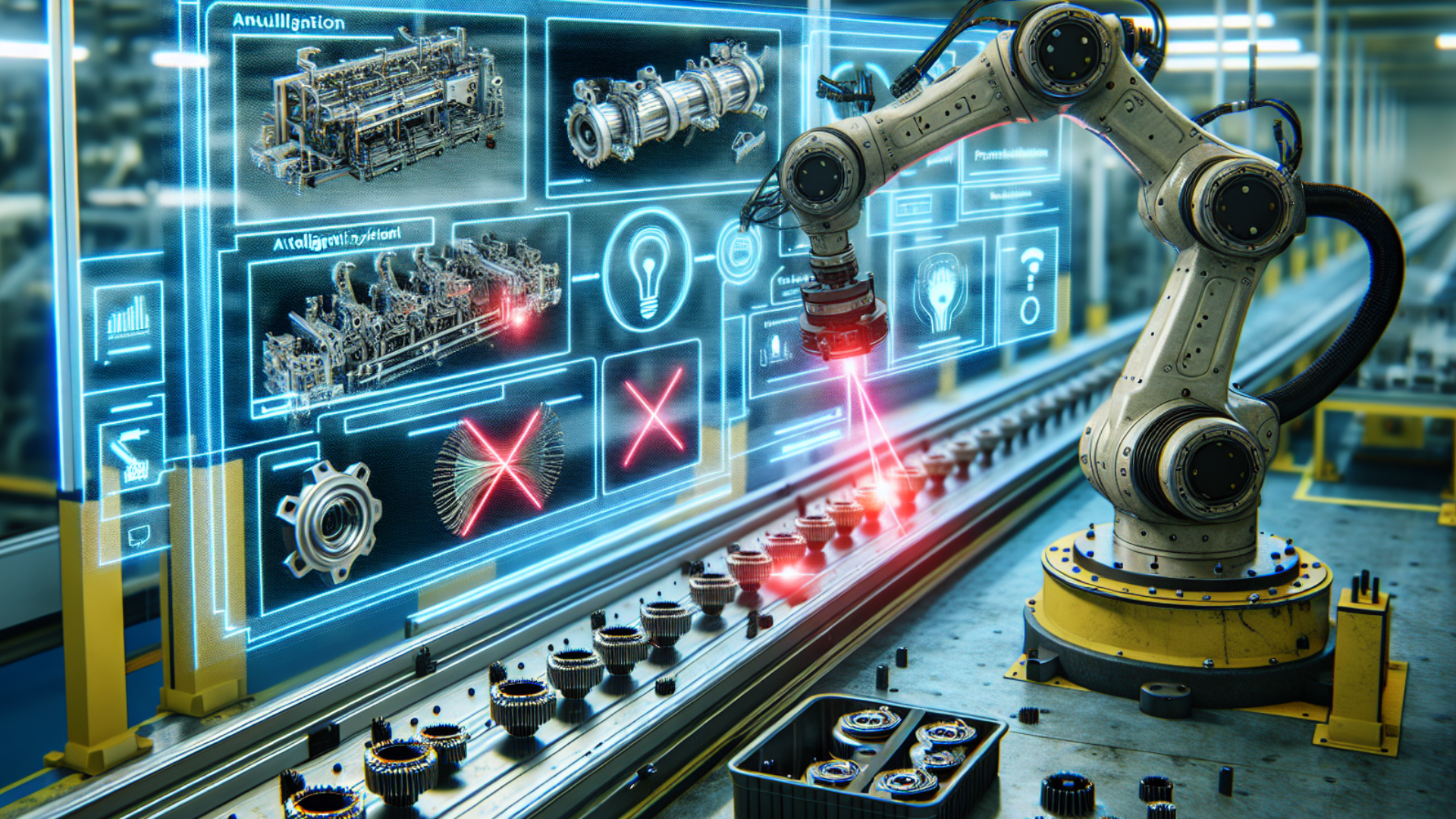
- Vision-based robotic arms with real-time defect detection
- Modular, low-footprint automation cells for SMEs and large enterprises
- Used in electronics, automotive, and logistics
- Cloud-enabled remote diagnostics and predictive maintenance
- A top choice for companies adopting robotics-driven manufacturing trends
CNN Robotics is the epitome of Industry 4.0—agile, intelligent, and scalable.
2. Siemens – Driving Smart Factory Evolution
Headquarters: Germany
Specialty: Automation, PLCs, industrial IoT, digital twins
Siemens remains a global giant in manufacturing automation. Through its Totally Integrated Automation (TIA) platform and MindSphere IoT suite, Siemens enables end-to-end visibility and control over production systems.
Key Strengths:
- Trusted across auto, energy, and pharma
- Supports digital twin simulation
- Leader in sustainable automation solutions
3. ABB – Innovating with Robotics and AI
Headquarters: Switzerland
Specialty: Collaborative robots, motion systems, AI integration
ABB’s range of robots—like YuMi, the dual-arm cobot—is world-famous. It offers precision, flexibility, and safety in high-speed manufacturing environments.
Highlights:
- Top-tier in electrical components and robotics
- Deep experience in AI-guided motion control
- Serves over 100 countries
4. Rockwell Automation – Pioneering Digital Operations
Headquarters: USA
Specialty: Industrial software, control systems, smart sensors
Rockwell’s FactoryTalk® platform combines hardware, analytics, and AI to help manufacturers run smarter and safer facilities.
Industries Served:
- Life sciences
- Oil & gas
- Food and beverage
5. Mitsubishi Electric – Precision at Scale
Headquarters: Japan
Specialty: PLCs, CNC, factory automation solutions
Mitsubishi offers robotic arms, programmable controllers, and industrial networking that help factories stay ahead.
Known For:
- Robust, scalable automation
- Used by Asian and global manufacturers
- Expertise in semiconductor and electronics production
6. FANUC – The Global Robotics Workhorse
Headquarters: Japan
Specialty: CNCs, industrial robots, automation software
FANUC robots are known for their reliability and high-speed performance. They dominate sectors like automotive and electronics.
7. Schneider Electric – Merging Automation with Energy Efficiency
Headquarters: France
Specialty: Smart automation, energy management, IIoT
Schneider’s EcoStruxure™ platform offers digital insights into operations and energy consumption.
Strengths:
- Ideal for green manufacturing
- Integrates AI and edge computing
- Trusted by global supply chains
8. Honeywell – Automation Meets Industrial Safety
Headquarters: USA
Specialty: Control systems, safety automation, process automation
Honeywell’s strength lies in merging control systems with security—vital for high-risk environments.
9. Yaskawa Electric – Precision Motion Control
Headquarters: Japan
Specialty: Motion controllers, servo motors, robotics
Yaskawa’s high-speed motion systems are ideal for precise assembly, welding, and packaging lines.
10. Emerson Electric – Automation Across Process Industries
Headquarters: USA
Specialty: Valves, process control, industrial automation
Emerson is strong in oil & gas, chemical, and utilities, offering both control systems and optimization tools.
How These Companies Are Shaping the Future
Common Strategies
- AI-driven robotics
- Digital twins for prototyping
- Cloud-based remote monitoring
Impact on Global Industries
- Automotive: Robotic welding and assembly
- Electronics: Micro-precision part placement
- Pharma: Automated sterile packaging and filling
Companies Using Automation in Manufacturing
Many global leaders depend on these automation giants:
- Tesla & Toyota: Automotive assembly
- Samsung & Apple: Precision electronics
- Pfizer & GSK: Pharma packaging and quality control
- Nestlé & Unilever: Food production and packaging
FAQs
1. What industries benefit most from automation?
Automotive, electronics, pharmaceuticals, and food manufacturing.
2. Are automation companies using AI and robotics?
Yes, top companies integrate AI for predictive analytics and robotics for labor-intensive tasks.
3. What’s driving automation growth in 2025?
Industry 4.0, labor shortages, and demand for speed and precision.
4. How do I choose the right automation partner?
Look for companies offering scalable, integrated, and proven solutions in your sector.
Conclusion: Choosing the Right Automation Partner
The future of manufacturing belongs to companies that can adapt quickly, think intelligently, and scale effortlessly. CNN Robotics stands out as the next-generation leader, while established names like Siemens, ABB, and FANUC continue to push the boundaries of what’s possible.
Whether you’re starting small or optimizing a global supply chain, these top automation companies are your gateway to smarter manufacturing.