Pharma Precision: How Custom SPMs Slash Defects in Packaging

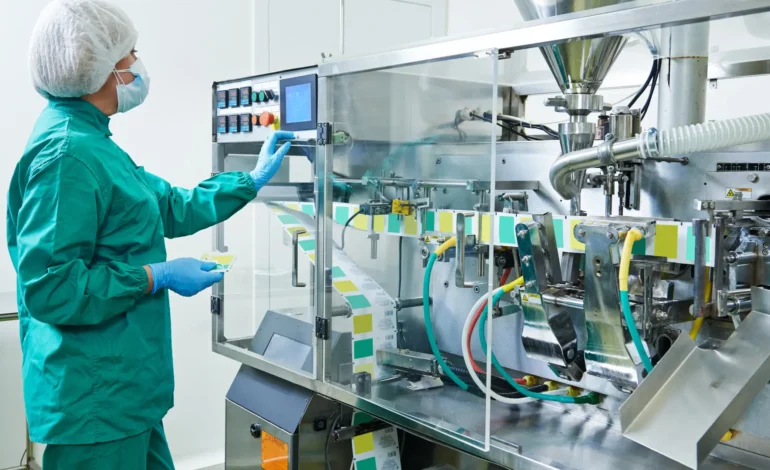
Custom Special Purpose Machines (SPMs) help pharmaceutical packaging
lines achieve near-zero defects, reduce recalls, cut waste, and deliver ROI in months. Learn why precision matters more than speed in pharma manufacturing.
In the pharmaceutical industry, precision isn’t optional — it’s everything.
A small packaging defect here isn’t just about aesthetics or minor quality issues. It’s a potential regulatory violation, a safety hazard, and a direct threat to brand trust.
For plant heads, operations leaders, and quality managers, the challenge is clear: 👉 How do you scale packaging lines to meet growing demand while keeping defect rates as close to zero as possible?
Find and Eliminate Bottlenecks
You need to find where your manufacturing process is lagging before proceeding with automation or state-of-the-art technology. There are bottlenecks in every factory—process inefficiencies, scheduling nightmares, or equipment downtime.
Designing a map of the production process on tools such as Value Stream Mapping will assist in the identification of bottlenecks. And as soon as they are discovered, there should be an attempt to embrace lean systems or systems re-engineering. Eliminating bottlenecks is usually the first step towards reducing cycle time in manufacturing.
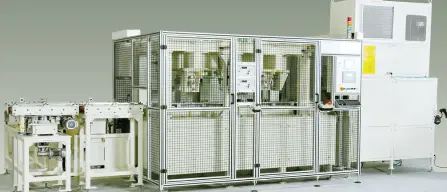
The solution for many forward-looking manufacturers lies in custom Special Purpose Machines (SPMs) — automation cells designed for one specific packaging task with unparalleled accuracy. Unlike standard “off-the-shelf” machines, custom SPMs deliver repeatability and reliability where it matters most: at the final checkpoint before medicines reach patients.

Why Packaging Defects Hurt More in Pharma
Packaging errors happen in every industry, but in pharmaceuticals, the consequences are far more severe. Here’s why:
1. Compliance Risks
Pharma is one of the most tightly regulated sectors in the world. A misprinted label, faulty seal, or serialization error can trigger recalls across entire markets. In the U.S., FDA warning letters and product seizures are common. In the EU, serialization mistakes under FMD rules can block distribution across multiple countries.
Example: In 2023, a European manufacturer faced a multimillion-euro recall after serialization code mismatches were detected during distribution. The issue was minor in technical terms — but catastrophic in compliance and financial cost.
2. Brand Trust
Medicines are unlike other consumer goods. Patients and healthcare providers must have absolute confidence that every blister pack, vial, or carton is safe and authentic. Even a single visible defect undermines trust. Once credibility is damaged, it takes years — and huge marketing spend — to rebuild.
3. Cost of Rework
Rejected batches waste far more than packaging materials. They waste active pharmaceutical ingredients (APIs), which are often the most expensive inputs in manufacturing. Every defect effectively translates into lost medicine, delayed supply, and lost revenue.
In short: in pharma, every defect is amplified — financially, operationally, and reputationally.
How Custom SPMs Change the Game
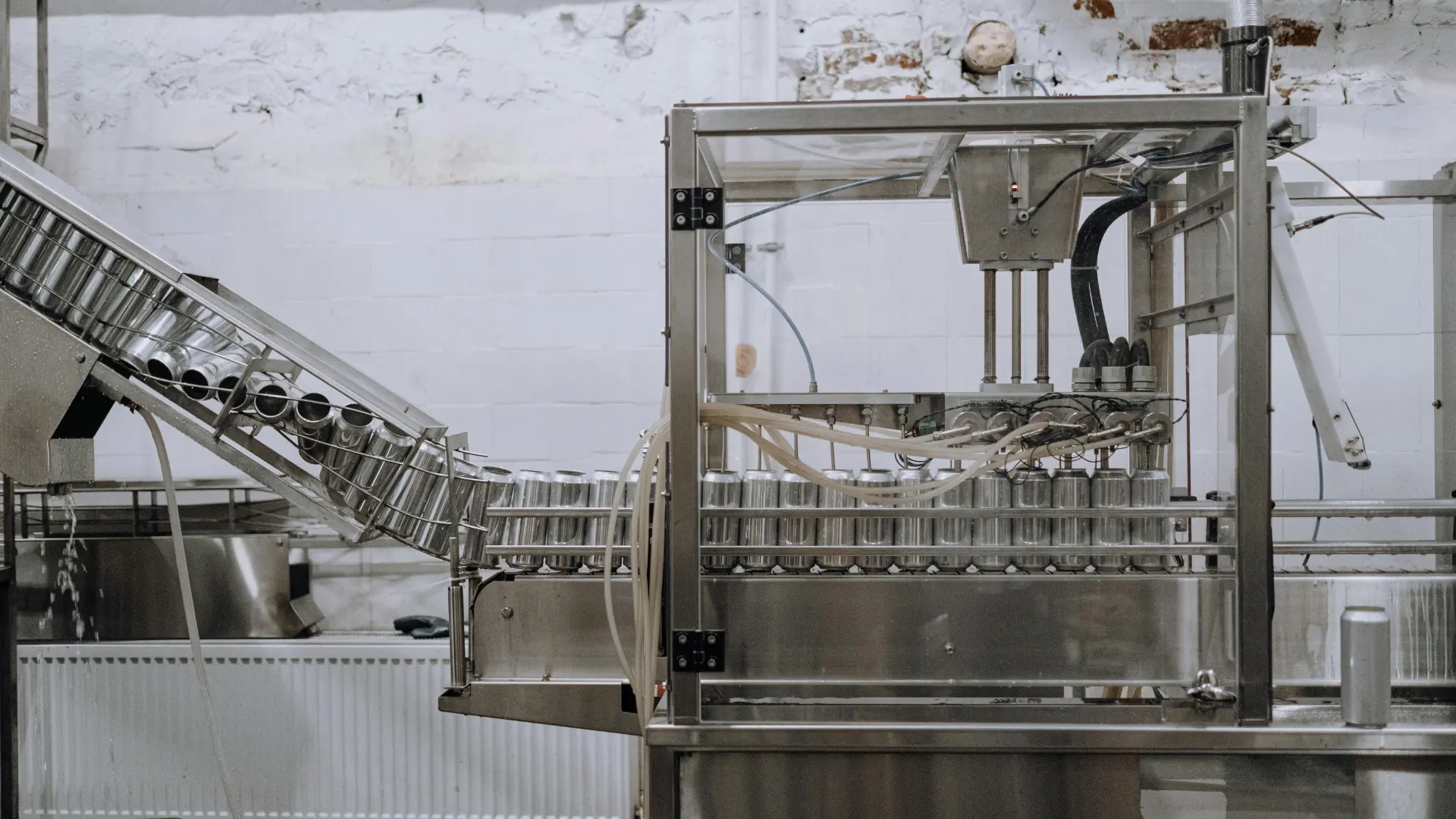
Standard machines are designed to serve many industries. Custom SPMs, on the other hand, are engineered for one specific process.That singular focus delivers quality and consistency standard machines simply can’t match.
1. Precision at Scale
- Tighter tolerances guarantee consistent seals, accurate labeling, and error-free serialization
- Repeatability ensures that whether it’s the first shift or the third, output remains uniform.
2. Integrated Quality Checks
- Vision systems inspect every unit in real time.
- Sensors verify seals, codes, and positions before the product leaves the cell.
- Defective units are automatically rejected, reducing the risk of downstream recalls.
3. Reduced Downtime
- SPMs are stripped of unnecessary complexity.
- Purpose-built design means fewer stoppages, easier calibration, and simplified maintenance.
- Higher Overall Equipment Effectiveness (OEE) across packaging lines.
4. Lower Defect Rates = Lower Costs
- With precision designed in, scrap and rework fall dramatically.
- Fewer recalls and compliance issues reduce hidden costs.
- Operations stabilize, giving managers confidence in both supply and audits.
Infographic idea: Compare “Standard Machine vs Custom SPM” → metrics like downtime, defect rate, rework costs.

Beyond Quality: The ROI of Pharma SPMs
In pharma, quality is non-negotiable. But custom SPMs don’t just safeguard quality — they also make a strong business case.
Rapid ROI
Because defects, waste, and recalls are expensive, savings from reduced losses quickly offset the investment. Many pharma plants see ROI from custom SPMs in under 12 months.
Long-Term TCO Benefits
- Lower maintenance: Machines optimized for one process experience less wear and tear.
- Fewer spare parts: Reduced component variety means simplified inventory.
- Easier operator training: Purpose-built HMIs (human-machine interfaces) minimize learning curves.
- Manufacturers have complete visibility of the operation, number and figure-based decision-making, and quality inspection by means of automation with the utilization of these solutions, which results in increased efficiency and productivity.
Future-Ready Integration
Modern SPMs are not isolated. They can integrate seamlessly with:
- Robotics for automated loading/unloading
- AI-driven predictive maintenance to prevent failures
- IoT sensors for traceability and SPC (Statistical Process Control)
Example: A global pharma firm deployed a custom serialization SPM with in-line vision. Batch rejection dropped by 35%, saving over $2M annually. The investment paid for itself in just 9 months.
Why Custom SPMs Are a Strategic Asset
For pharmaceutical companies, the packaging line is the final safeguard before medicines reach patients. At this stage, errors are not acceptable
Custom SPMs transform packaging from a compliance risk into a strategic advantage:
- Quality as a Differentiator: Defect-free packaging builds trust with regulators, providers, and patients.
- Operational Stability: Reduced recalls, fewer stoppages, and consistent throughput.
At CNN Robotics ApS , our approach is simple: SPMs slash defects not by doing more, but by doing one thing with absolute precision.
In pharmaceuticals, that precision is more than efficiency. It is safety.
Pharmaceutical manufacturing is under constant pressure: rising demand, strict compliance, and zero tolerance for errors. In this environment, packaging precision is not a “nice to have.” It is the defining competitive edge.
Custom SPMs give pharma leaders the ability to:
- Slash defects at the source
- Ensure compliance with global regulations
- Protect brand trust and patient safety
- Deliver ROI in months, not years
👉 As demand grows and regulatory scrutiny intensifies, defect-free packaging will increasingly decide who leads and who lags in pharma manufacturing.