
In 2026, automation won’t just be smarter – it’ll be plug-and-play. This is the moment where smart factories stop being aspirational buzzwords and start becoming a reality for manufacturers of all sizes.
For decades, automation was synonymous with complexity. Integration took months, skilled engineers were essential, and costs ran high. Small and mid-sized enterprises often felt locked out, unable to compete with industry giants. But as 2026 approaches, that equation is changing.
The driver behind this shift? Plug & Produce automation – modular, turnkey solutions designed for speed, simplicity, and scalability. In this article, we’ll explore why Plug & Produce is the defining automation trend of 2026, how it lowers barriers for manufacturers, and what it means for the future of production.
What Is Plug & Produce Automation?
At its core, Plug & Produce takes inspiration from everyday technology. Just as a USB stick connects instantly to a computer, these modular systems are engineered to “plug” into production lines with minimal customization.
The concept rests on three pillars:
- Pre-engineered robotic cells with built-in functionality.
- Universal connectors and interfaces that simplify integration.
- AI-powered software platforms that reduce programming effort.
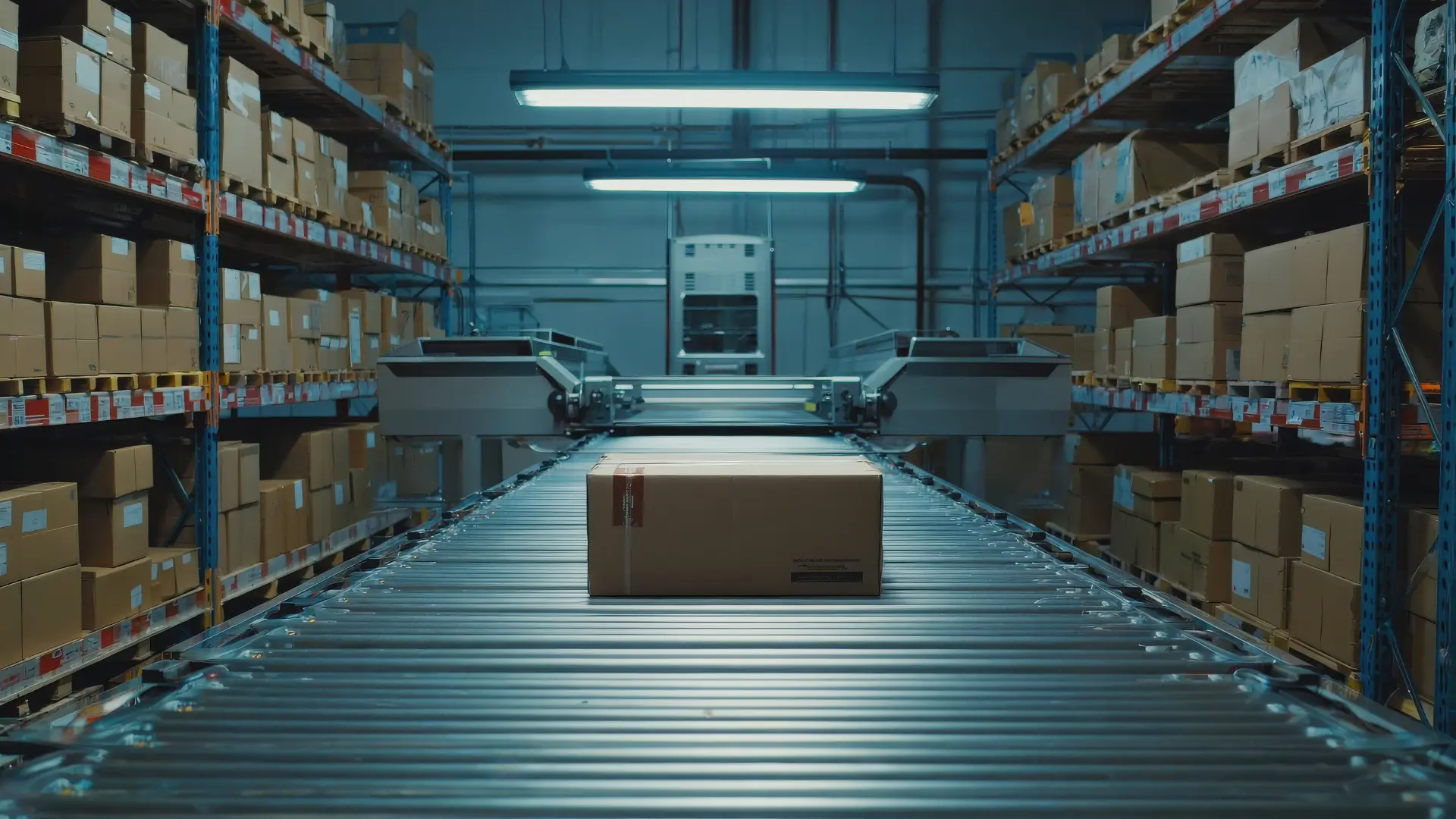
This approach allows manufacturers to add or reconfigure automation rapidly – sometimes over a single weekend.
Why 2026 Is the Tipping Point
Plug & Produce has existed in theory for years, but several forces are converging to make 2026 its breakout year:
1. Labor Shortages Intensify
Skilled trades are becoming scarcer, and Plug & Produce systems fill the gap by automating routine tasks without demanding a team of engineers to maintain them.
2. Global Standards Gain Traction
Industrial standards like OPC-UA and PackML are enabling compatibility across vendors, making plug-and-play integration more feasible than ever.
3. Digital Twin & AI Maturity
Factories can now simulate deployments virtually, validating performance before installation. This reduces risk and boosts confidence in modular systems.
4. ROI Pressure
Competitive markets demand faster returns on capital. With Plug & Produce, payback periods shrink from years to months.
5. Demand for Flexibility
Markets are volatile – customer needs shift rapidly. Modular systems let manufacturers pivot production without major re-engineering.
Benefits for Manufacturers
Faster Deployment
Traditional automation projects often take months of engineering. Plug & Produce cells are pre-designed, meaning deployment times can shrink dramatically.
Lower Costs
Standardized modules reduce custom engineering, cutting upfront investment while improving ROI speed.
Minimal Downtime
Plug & Produce cells are designed to install without halting entire lines, enabling smoother transitions.
Scalability
Factories can adopt one cell at a time and expand as needed, aligning investments with growth.
Lower Skill Barriers
AI-assisted HMIs and pre-loaded applications allow operators to control systems without advanced coding knowledge.
Real-World Applications
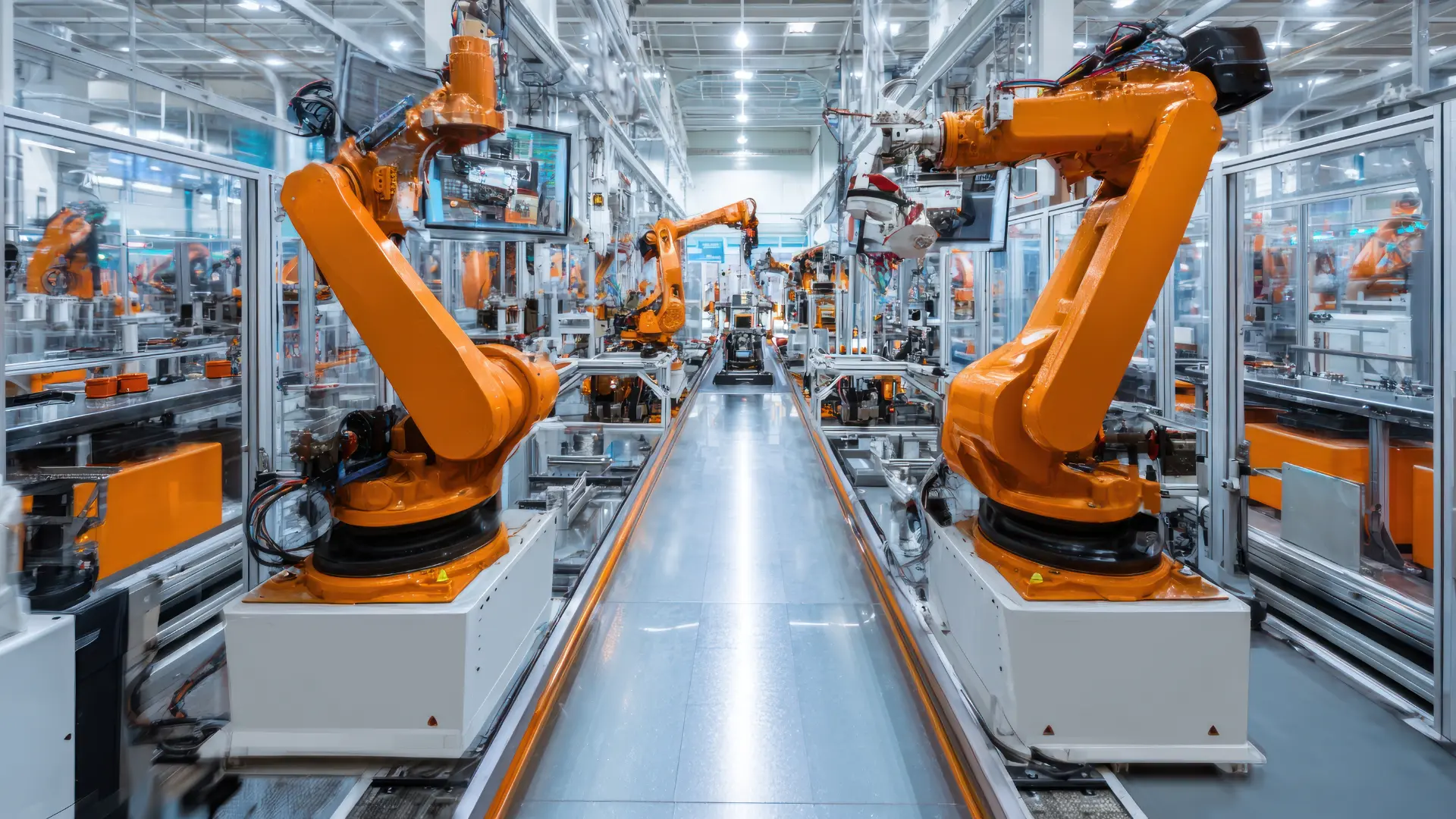
- Robotic Welding Cells: Widely used in automotive and heavy fabrication, these cells come as self-contained units with rotating fixtures, enclosures, and controls – ready to plug into production.
- Packaging Lines: Pre-engineered palletizing and packaging units allow food, pharma, and logistics sectors to automate without complex design work.
- Inspection Modules: Vision-based quality checks can now be added as standalone plug-and-play systems.
- Pick & Place Units: Lightweight robots that shift materials or components with minimal reprogramming, especially useful in electronics and consumer goods.
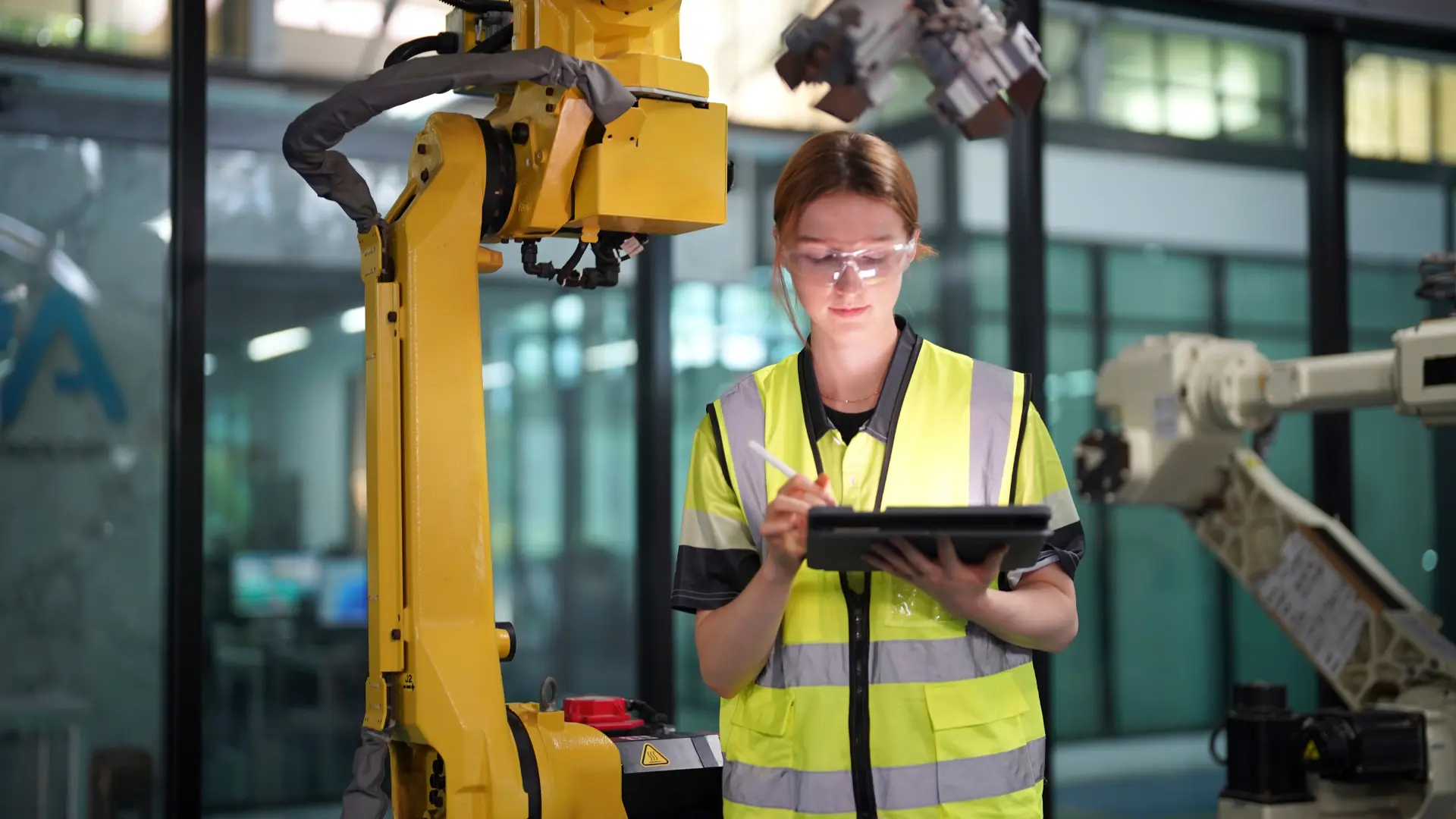
These real-world deployments prove Plug & Produce isn’t hype – it’s an operational reality.
Plug & Produce vs. Traditional Automation
A quick side-by-side on deployment, cost, and operational impact.
| Feature | Traditional Automation | Plug & Produce Automation |
|---|---|---|
| Deployment Time | Months of planning & integration | Days or weeks |
| Cost | High upfront, heavy engineering | Lower upfront, modular pricing |
| Flexibility | Fixed, hard to reconfigure | Modular, scalable, easy to adapt |
| Operator Skill | Expert programming needed | AI/HMI-driven ease of use |
| Downtime | Long commissioning cycles | Minimal disruption during setup |

Industry Perspectives Heading into 2026
Reports project the global industrial automation market reaching USD 233.6 billion by 2026, driven by demand for flexibility, digital integration, and sustainability. Analysts highlight modularity and rapid adaptability as key investment drivers.
This aligns perfectly with Plug & Produce. Rather than overhauling entire lines, manufacturers can incrementally modernize—reducing risk while staying competitive.
Market Outlook
USD 233.6B
Projected global industrial automation market by 2026
Drivers: flexibility • digital integration • sustainability
Analyst takeaway: Modularity and fast changeovers are attracting capital. Plug & Produce enables phased upgrades, protecting uptime while unlocking new product mixes.
Case in Point: Welding Cells
Take welding as an example. Automotive suppliers face demand swings and complex assemblies. A Plug & Produce robotic welding cell can be dropped into production, connected to utilities, and operational in days. Safety enclosures and fixtures are pre-integrated. Operators only need to upload product data and press start.
Instead of redesigning from scratch, companies can scale welding capacity or retool for new parts with minimal disruption.
- Rapid install
- Pre-integrated safety
- Operator friendly
- Scalable & modular
Welding Cell: Quick Facts
| Deployment | Days, not months |
|---|---|
| Integration | Utilities + data in, start |
| Safety | Enclosures & fixtures pre-built |
| Changeover | Upload product data |
| Scaling | Add cells as needed |
Why This Matters for SMEs
Large enterprises have long had the resources to invest in automation. But Plug & Produce is democratizing access. For small and mid-sized businesses, the barriers of cost, expertise, and time are finally dropping.
That means:
- Competing on quality and consistency against bigger players.
- Meeting sustainability goals by reducing scrap.
- Attracting new talent by offering modern, high-tech environments.
We believe Plug & Produce isn’t just another industry trend — it’s the future foundation of smart manufacturing.
Our turnkey solutions in welding, packaging, and special purpose machines are designed to:
- Reduce downtime
- Deliver ROI in months
- Adapt as customer needs evolve
We see 2026 not as the starting line, but as the acceleration point. By catching the trend early, manufacturers position themselves ahead of competitors in efficiency, resilience, and growth.
The factories of the future won’t be defined by who can automate the most — but by who can adapt the fastest. Plug & Produce automation is enabling exactly that: rapid deployment, lower barriers, and modular scalability.
As 2026 approaches, it’s clear that the winners will be the manufacturers who don’t wait for the future — they build it today.