Human-Cobot Collaboration: How Smart Teams (Not Just Smart Tech) Are Leading the Automation Surge

For years, automation was seen as an either/or choice: either humans ran the line, or robots replaced them. But in 2025, the reality is more nuanced – and more promising.
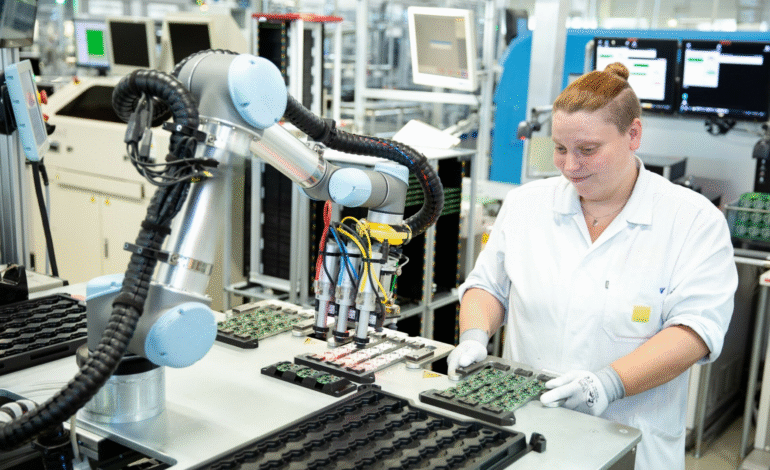
The rise of collaborative robots (cobots) is proving that the future of manufacturing isn’t about humans versus machines. It’s about humans and machines working side by side.
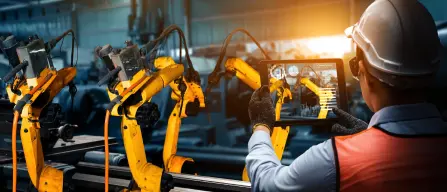
Instead of replacing skilled workers, cobots are enhancing their capabilities. They handle repetitive, risky, or ergonomically challenging tasks, while people focus on problem-solving, quality checks, and continuous improvement. Together, they create smart teams – agile, productive, and resilient.
Why Cobots Are Surging in Adoption
Cobots aren’t new. But what’s changed is their accessibility, affordability, and maturity. Unlike traditional industrial robots, cobots are:
- Safe to work alongside humans with built-in sensors and force-limiting features.
- Flexible – they can be deployed, moved, and reprogrammed quickly for new tasks.
- Affordable – making automation accessible for small and medium manufacturers, not just global giants.
- Plug-and-play friendly with ecosystems of tools, grippers, and vision systems.
As a result, SMEs and large manufacturers alike are adopting cobots not to cut headcount, but to close skill gaps, tackle bottlenecks, and scale faster.
The Hidden Bottlenecks Cobots Solve
Factories often think of downtime as the main cost driver, but hidden bottlenecks quietly drain just as much value. Here’s where cobots step in:
- Repetitive Handling: Moving parts, loading/unloading machines, or simple pick-and-place. Cobots take on the fatigue-heavy work, improving consistency.
- Packaging and Palletizing: Cobots reduce strain injuries and speed up cycle times, freeing workers for quality-focused tasks.
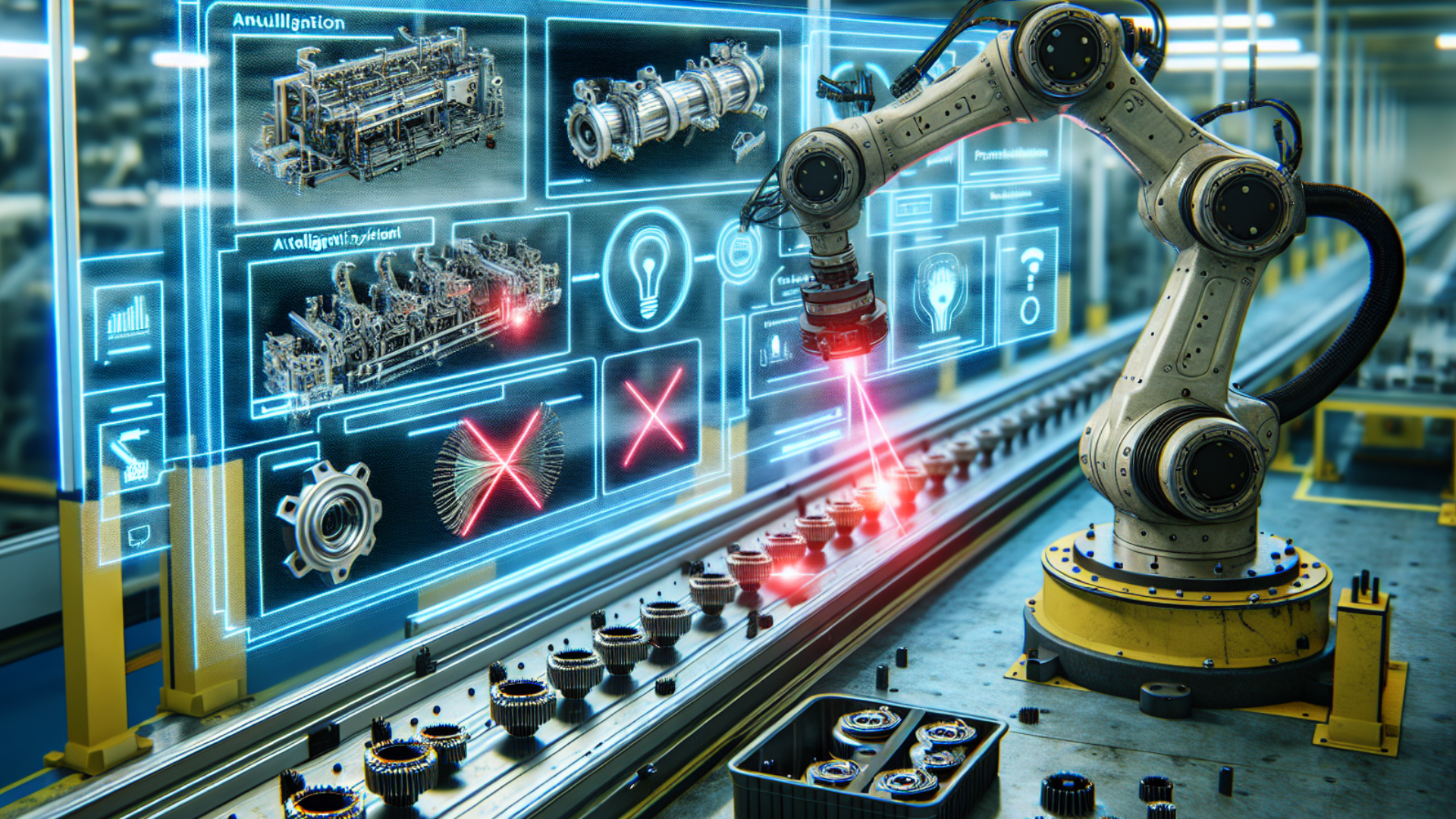
- Quality Checks: With vision integration, cobots catch defects early, while humans interpret complex quality metrics.
- Small Batch Flexibility: For high-mix, low-volume production, cobots adapt faster than rigid automation systems.
The result is a balanced workload: humans handle decisions, cobots handle repetition.
Human-Cobot Collaboration in Action
Across industries, practical examples show why this model works.
- Automotive Tier-1 suppliers deploy cobots for repetitive welding prep while welders focus on accuracy and process optimization.
- Pharma and FMCG plants use cobots for packaging and labeling, where human oversight ensures compliance and traceability.
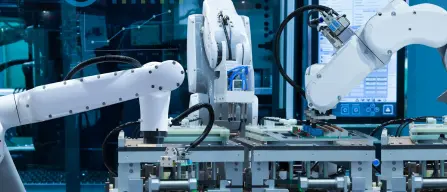
- Electronics manufacturers rely on cobots for precision assembly of small parts, while engineers fine-tune programming and quality control.
The story is consistent: cobots take on the tasks that are either too dangerous, too repetitive, or too physically straining, leaving skilled workers free to apply judgment and creativity.
The Human Advantage
Why not just automate everything? Because humans bring qualities that machines can’t replicate.
- Adaptability: Humans pivot when demand changes, when a new SKU is added, or when a process shifts unexpectedly.
- Problem-Solving: When a cobot encounters an unfamiliar error, it’s human operators who diagnose and fix the issue.
- Continuous Improvement: Operators see patterns, propose adjustments, and drive kaizen culture on the shop floor.
Cobots multiply this value by taking the strain off operators and enabling them to focus on higher-impact work.
Safety: A Core Driver
One of the biggest advantages of cobots is safety. With force-limiting technology, cobots can stop instantly if they detect contact. That makes them suitable for applications where traditional robots would require cages.
For workers, this means:
- Less exposure to repetitive strain injuries.
- Fewer risks from heavy lifting or awkward movements.
- More confidence in working alongside automation.
Safety isn’t just compliance. It’s productivity – healthier workers mean lower turnover, fewer disruptions, and stronger morale.
ROI Beyond Cost Savings
The business case for cobots goes beyond labor savings. Manufacturers adopting cobots often cite:
- Faster ROI – many cobot deployments pay back in months, not years.
- Flexibility – a cobot can move between tasks in a single shift, supporting dynamic production.
- Resilience – cobots help stabilize operations during workforce fluctuations or seasonal demand spikes.
- Sustainability – by reducing errors, scrap, and injuries, cobots contribute to leaner, more responsible operations.
A Shift in Shop-Floor Roles
With cobots on the line, job roles are evolving:
- Operators become process managers rather than manual laborers.
- Maintenance teams gain data insights to prevent issues before they happen.
- Engineers focus more on innovation and optimization rather than firefighting problems.
This doesn’t eliminate people from the factory – it elevates them.
Conclusion: Smart Teams Build Smart Factories
The automation surge isn’t being led by machines alone. It’s being led by smart teams – humans and cobots working together.
Factories that thrive will be the ones that embrace this partnership, designing roles where technology complements human skill rather than competes with it.
We’ve seen firsthand how cobot integration reshapes plants – not by removing people, but by enabling them. From packaging in FMCG to precision tasks in pharma and automotive, cobots are proving that the real future of automation is collaboration.👉 For more insights on automation, robotics integration, and how cobots are shaping the next generation of factories, connect with CNN Robotics on LinkedIn.