High Volume, High-Precision: How Robotics Handle 10,000 Units a Day

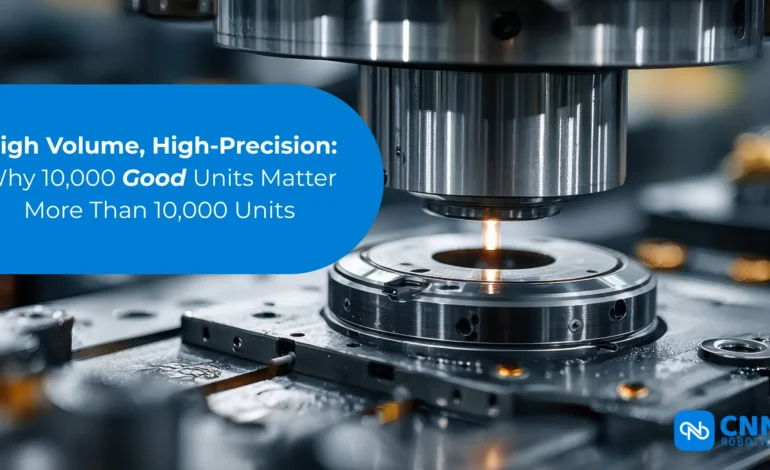
In today’s manufacturing world, success is no longer measured only by how fast a line runs. It’s measured by how many units you can consistently deliver – with near-zero defects – while keeping costs and resources under control.
That balance between high volume and high precision is exactly where robotics prove their value. From automotive plants running 24/7 to FMCG lines packaging thousands of products an hour, robotics make it possible to achieve both scale and quality – at the same time.
So, how do modern robotic systems handle 10,000 units a day (or more) without compromising on consistency?
Let’s break it down.
The Challenge: Scale Without Sacrificing Quality
High-volume production brings its own set of problems:
- Operator fatigue: Repetitive tasks are prone to errors over long shifts.
- Tolerances: At scale, even a small misalignment creates thousands of defective parts.
- Downtime impact: One hour of stoppage in a high-throughput line equals thousands of lost units.
- Traceability: Regulatory and customer demands require tracking every unit, not just every batch.
Traditional approaches – more machines, more labor, more checks – no longer solve the problem. Instead, manufacturers need systems that are smarter, integrated, and reliable.
How Robotics Deliver High-Volume, High-Precision Production
1. Consistency Through Automation
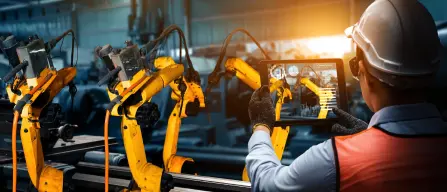
Robotic arms don’t get tired, distracted, or inconsistent. Whether it’s welding a car seat frame or placing a pharma blister pack, robots deliver the same motion, force, and accuracy every cycle. That repeatability means manufacturers can scale production without fearing a slip in quality.
2. Integrated Quality Control
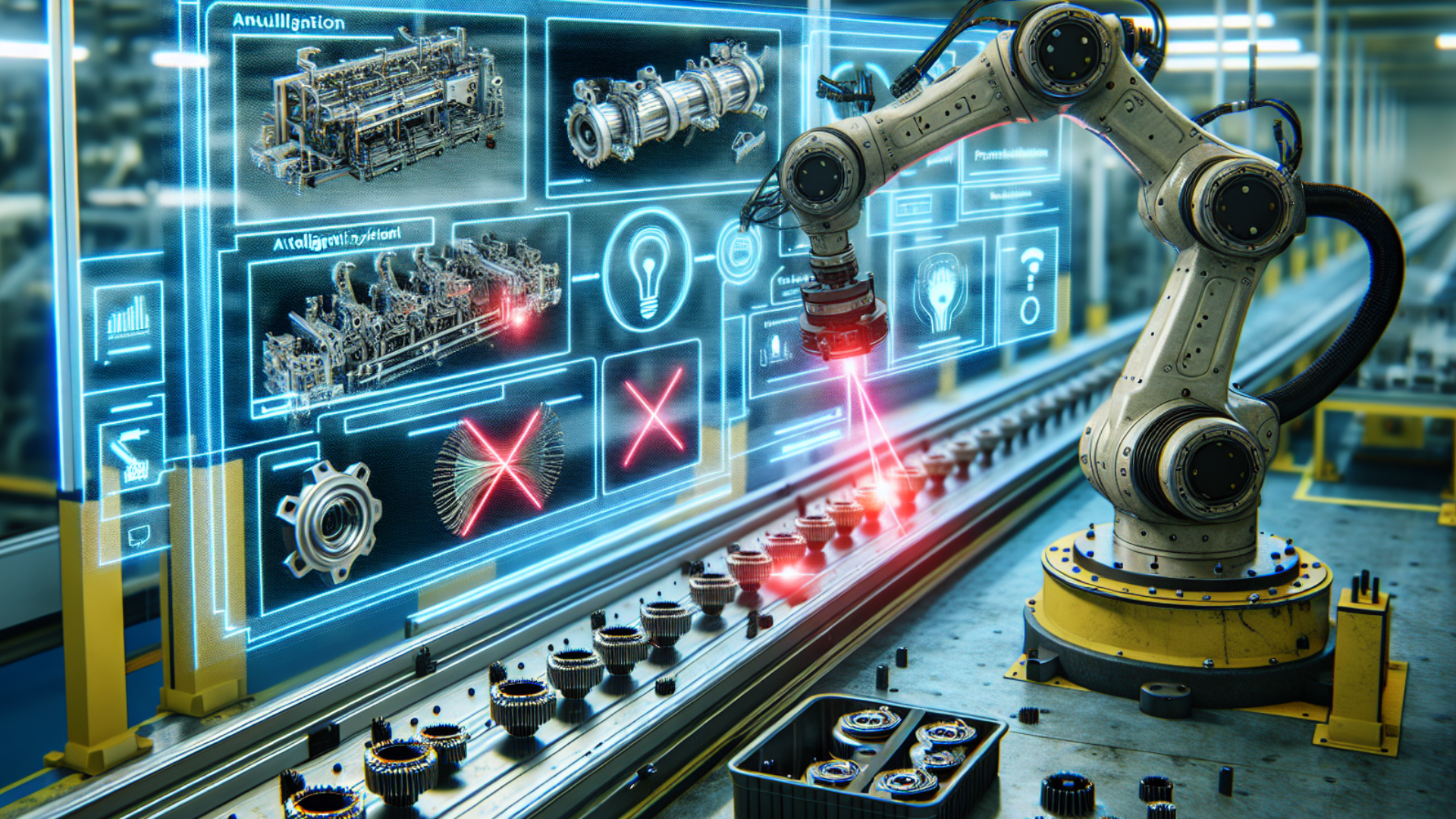
Robotics today don’t just assemble – they also inspect. Vision systems, force sensors, and AI-driven checks allow robots to reject defective parts in real time. Instead of waiting for end-of-line inspection, defects are caught and corrected immediately, protecting both output and brand trust.
3. Cycle Time Reduction
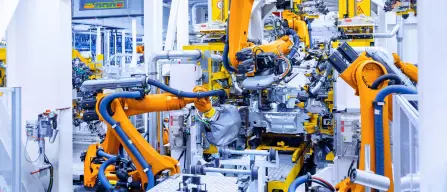
When robots handle multiple steps in one cell – for example, welding, inspection, and marking – throughput improves dramatically. In many industries, robotic cells double or triple line speed by removing bottlenecks and reducing manual handling.
4. Multi-Shift Reliability
High-volume factories can’t afford downtime. Modern robotic systems are designed for continuous operation across multiple shifts, with predictive maintenance alerts to minimize unplanned stoppages.
5. Data and Traceability
Every motion, every part, every cycle is logged. This creates a digital trail that supports compliance (especially in pharma and food) and enables smarter decisions about performance and waste reduction.
Industries Benefiting From 10,000+ Units a Day
Robotics make the “10,000 a day” benchmark realistic across industries.
- Automotive & EV: Chassis components, seat frames, battery trays – where welding precision matters as much as speed.
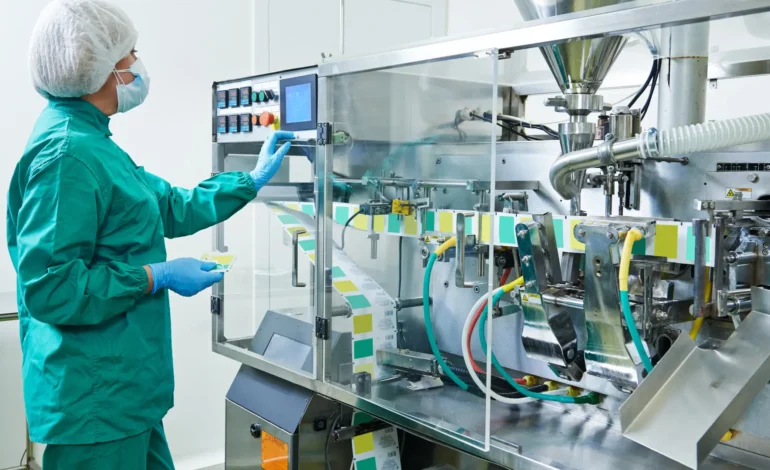
- Pharma & Medical Devices: Blister packs, vials, syringes – where every defect risks compliance and safety.
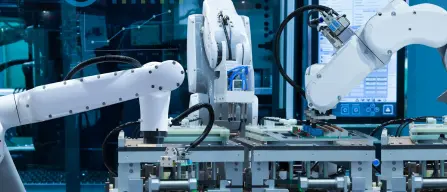
- Electronics: PCBs, sensors, and connectors – where tolerances are measured in microns.
- Logistics & Warehousing: Sorting and palletizing thousands of parcels daily with accuracy that reduces errors and returns.
This is the future: smarter machines, not more machines.
ROI: Why High Volume + High Precision Pays Off
High-throughput robotics are not just about hitting production numbers. They reshape cost structures and business outcomes:
- Lower Scrap & Rework: Precision reduces waste, which directly impacts margins.
- Faster Payback: For plants running multiple shifts, ROI often comes in months, not years.
- Reduced Labor Strain: Operators move from repetitive, fatiguing work to supervisory and technical roles.
- Resilience: Even during labor shortages or demand spikes, production stays consistent.
CNN Robotics Approach
At CNN Robotics , we design robotic systems and special purpose machines that deliver both volume and precision for global manufacturers.
Here’s how we approach it:
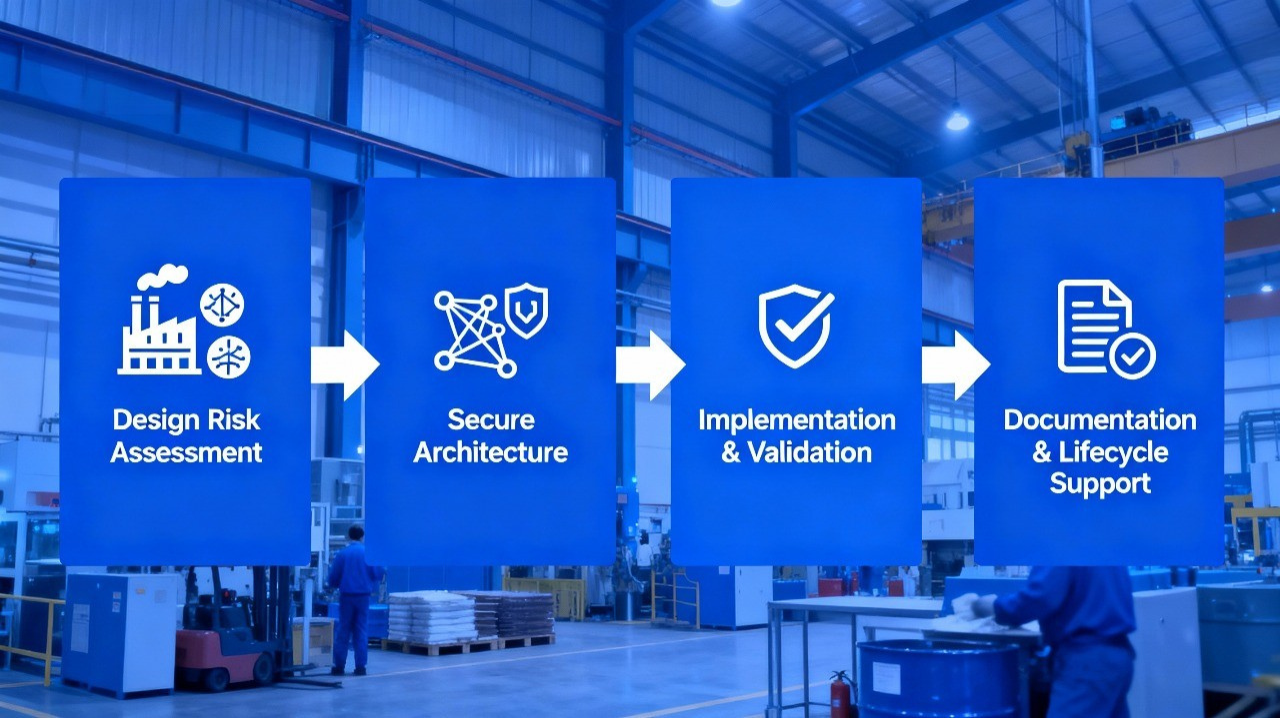
- Process First, Not Machines: We start with a plant and line assessment to identify bottlenecks, rather than suggesting generic solutions.
- Custom Engineering: Where off-the-shelf machines fall short, we design and build SPMs tailored to your specific process.
- Integration Expertise: Our team integrates robots with conveyors, sensors, and quality systems for seamless line flow.
- Lifecycle Value: Beyond ROI, we focus on long-term TCO – ensuring systems are reliable, upgradeable, and sustainable.
Whether it’s an automotive seat frame line, a pharma packaging cell, or an FMCG operation, our solutions are engineered to help you scale confidently – with precision that protects your brand.
Factories of the FutureCreating: Smarter, Faster, More Reliable
Reaching 10,000 units a day is no longer an extraordinary feat. With robotics, it’s becoming the new normal.
The real competitive edge lies not in just making more, but in making more with less waste, less downtime, and greater confidence in every unit leaving the line.
Factories of the future will be defined not by how many machines they run, but by how intelligently they run them. And robotics is the foundation of that shift.