Vision & AI for Quality: Why Automated Defect Detection Is a Game-Changer in Modern Factories

The Changing Face of Quality in Manufacturing
For decades, quality control on the factory floor has relied heavily on human inspection. Skilled operators have checked weld seams, measured tolerances, and spotted defects before products moved downstream.
But in today’s high-mix, high-volume manufacturing, manual inspection alone can’t keep up. Human fatigue, subjective judgment, and limited sampling mean defects slip through – leading to rework, scrap, and costly recalls.
Enter vision systems and AI-driven quality control. Together, they are transforming quality inspection from a manual bottleneck into an automated, reliable, and scalable process.
Why Traditional Quality Control Falls Short
- Subjectivity: Different operators interpret “acceptable” quality differently.
- Fatigue: Visual checks are repetitive and tiring, leading to errors.
- Sampling limits: Inspecting 5% of units leaves room for defects in the other 95%.
- Speed mismatch: Human checks can’t match the pace of automated production lines.
In global markets where customers demand zero-defect deliveries, relying only on manual inspection is no longer sustainable.
How Vision & AI Transform Quality
1. High-Speed Defect Detection
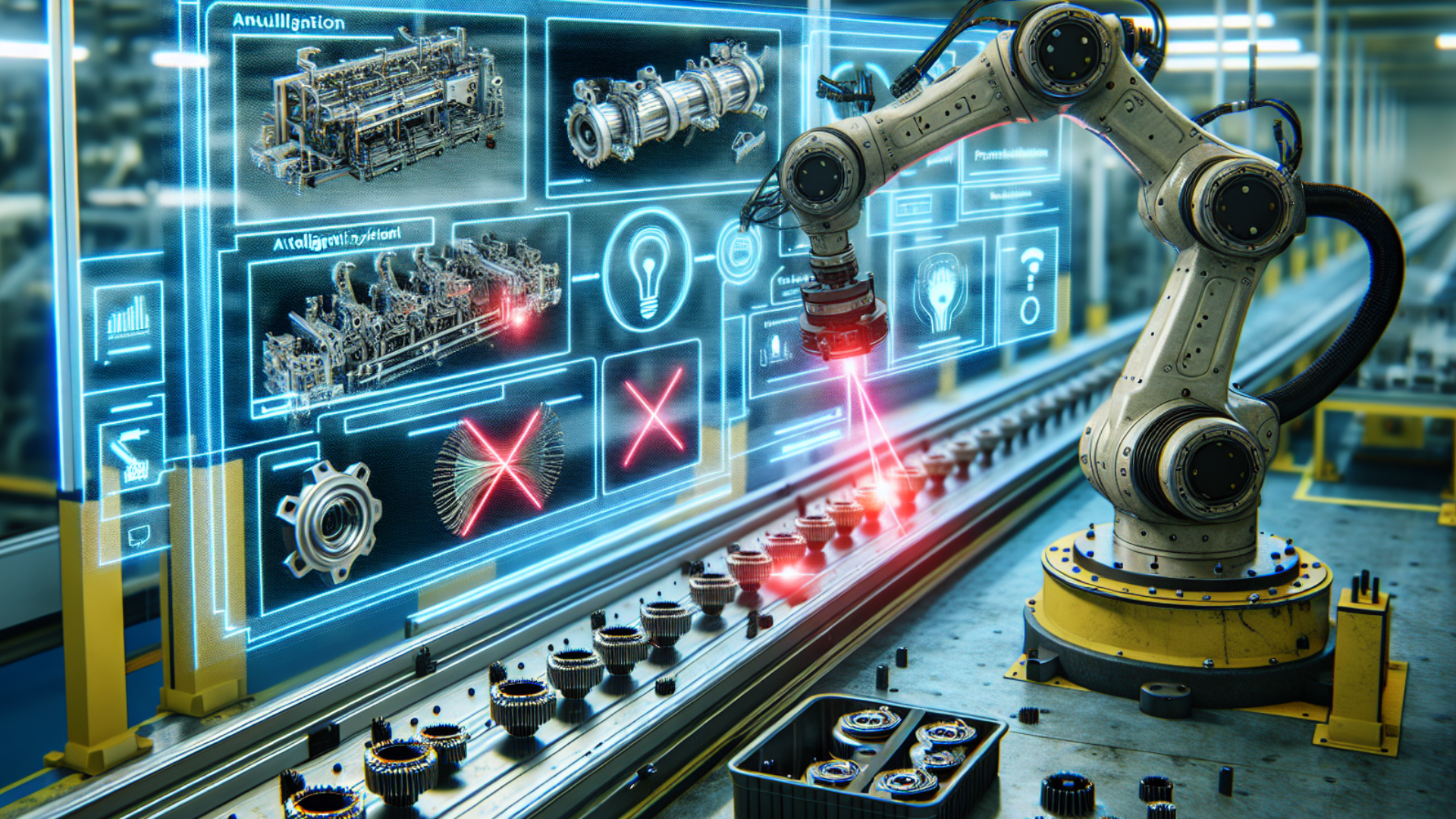
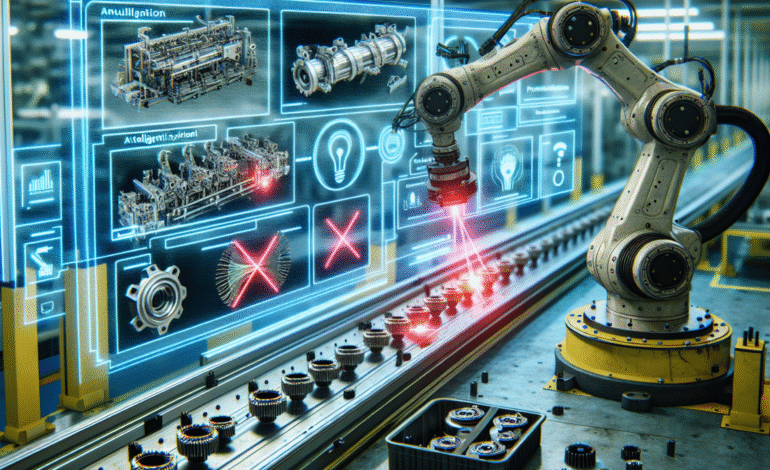
Cameras capture images in milliseconds, flagging defects without slowing production. In industries like electronics and FMCG, this ensures every unit, not just a sample, is inspected.
2. Consistency Without Fatigue
AI models apply the same criteria, every time. There are no “bad days,” no drift in attention, and no variation between shifts.
3. Defect Classification & Traceability
Instead of simply rejecting a part, AI can classify the defect type, log it by batch, and feed data back into process optimization. This transforms inspection into a source of continuous improvement insights.
4. Adaptability for High-Mix Production
Unlike traditional automation that struggles with variety, vision + AI systems can be retrained quickly for new product designs, making them ideal for plants handling multiple SKUs.
Real-World Applications
- Automotive: Detecting paint finish imperfections, weld seam accuracy, or assembly errors.
- Pharma & FMCG: Ensuring packaging seals, labels, and serialization codes are accurate for compliance.
- Electronics: Spotting micro-cracks or soldering defects invisible to the human eye.
- Metal Fabrication: Monitoring weld penetration and bead consistency in real time.
Factories deploying AI-driven vision systems report dramatic reductions in scrap and rework – in some cases cutting quality-related losses by 50–70%.
Beyond Quality: Strategic Benefits
Automated defect detection delivers more than fewer rejects:
- Lower Costs: Less scrap and rework reduce material and labor costs.
- Faster ROI: High-volume plants often see payback in under a year.
Customer Trust: Consistent quality strengthens contracts and brand reputation. - Data for Process Control: Quality data closes the loop, helping plants fix root causes instead of treating symptoms.
- Scalability: As production expands, quality assurance scales automatically without needing more inspectors.
Competing Globally with AI-Driven Quality
Global supply chains demand reliability. Manufacturers competing for contracts in automotive, pharma, electronics, or FMCG know that a single quality slip can cost millions – in penalties, recalls, or lost business.
Vision + AI ensures that as production volumes grow, quality keeps pace with speed. For factories aiming to compete internationally, this technology is no longer optional – it’s essential.
Conclusion: The Next Standard for Manufacturing
In modern manufacturing, quality isn’t just about catching defects – it’s about preventing them from reaching customers at all. Vision systems and AI-driven defect detection provide the consistency, speed, and scalability that manual inspection cannot.
Factories that embrace this technology aren’t just improving quality metrics; they’re protecting profitability, reputation, and competitiveness.
We integrate vision and AI systems into robotic cells and automated lines at CNN Robotics- helping manufacturers achieve zero-defect operations while preparing for the global standards of tomorrow.👉 For more insights into automation trends and practical solutions, follow CNN Robotics on LinkedIn