Digital Twins in Practice: Real Ways Virtual Replicas Are Cutting Costs and Boosting Predictability

For years, digital twins were considered futuristic- something reserved for aerospace or big-budget industrial giants. But times have changed. Today, digital twins are practical, accessible, and delivering measurable ROI across industries.
Manufacturers, logistics providers, pharma companies, and even energy producers are adopting digital twin technology not as an experiment, but as a strategic tool. They’re using it to cut costs, reduce downtime, improve product quality, and run operations with far greater predictability.
This blog explores how digital twins are being applied in real-world contexts, what benefits they offer, and why adoption is accelerating faster than ever.
What Is a Digital Twin?
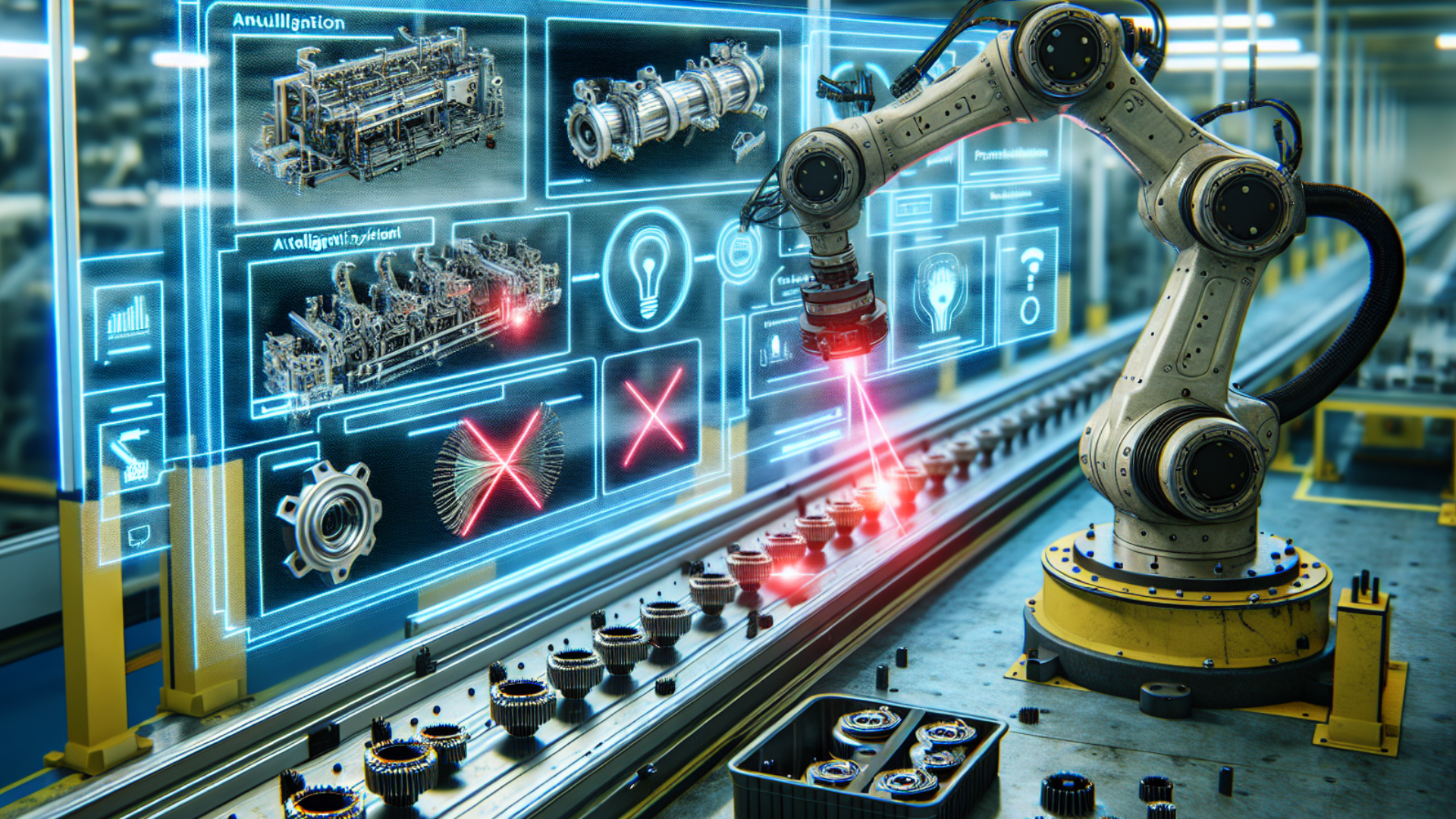
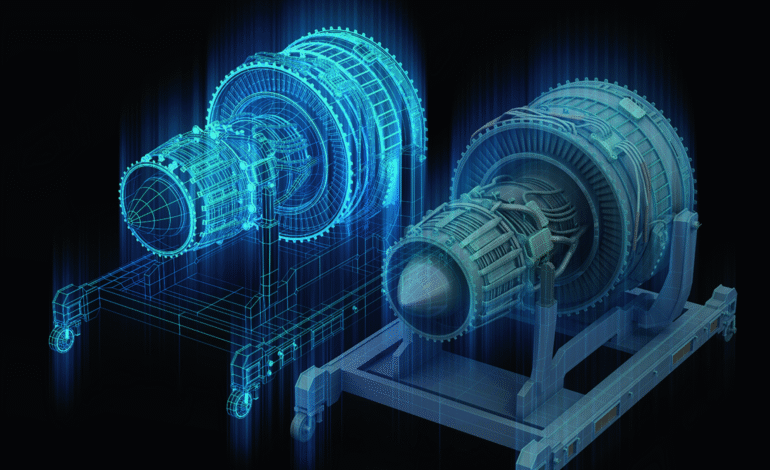
A digital twin is a virtual replica of a physical asset, process, or system. Unlike traditional 3D models, a digital twin is dynamic. It integrates real-time data from IoT sensors, ERP systems, and controllers to create a continuously updated “living model.”
With a digital twin, leaders can:
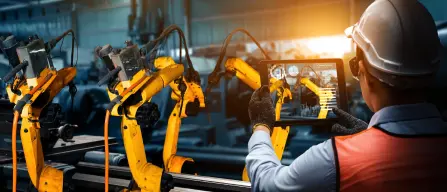
- Monitor operations in real time
- Run simulations without halting production
- Predict equipment failures before they occur
- Optimize processes for throughput, cost, and sustainability
In short, it’s like having a flight simulator for your factory or supply chain, allowing safe experimentation before implementing changes on the floor.
Practical Applications of Digital Twins
1. Predictive Maintenance
Breakdowns are one of the biggest cost drivers in manufacturing. Digital twins, combined with IoT sensors, forecast equipment behavior to spot issues early. Instead of reacting to breakdowns, maintenance becomes proactive – reducing unplanned downtime and extending asset lifespans.
2. Production Optimization
Want to increase throughput by 20%? Or change your shift patterns? Digital twins let you test these scenarios virtually before making physical changes. Manufacturers avoid costly trial-and-error, implementing only proven strategies.
3. Quality Assurance
Defects and scrap erode profit margins. By comparing live production data against design tolerances, digital twins can flag potential quality issues as they arise. The result: higher consistency, lower scrap, and happier customers.
4. Supply Chain Resilience
In an era of fragile supply chains, digital twins are helping model logistics routes, supplier risks, and inventory flows. Businesses gain the ability to “stress-test” supply chains and prepare contingency plans before disruptions occur.
5. Energy & Sustainability
As ESG compliance grows in importance, digital twins help monitor and optimize energy consumption. Factories can model energy loads, reduce idle usage, and meet sustainability targets – all while cutting utility costs.
Why Adoption Is Accelerating Now
Digital twins aren’t new – but their widespread adoption is relatively recent. Here’s why:
- Affordable IoT & 5G: Sensors are now cost-effective and reliable, streaming data without interruption.
- AI-Driven Insights: Machine learning algorithms enhance the accuracy of predictions and enable self-learning digital twins.
- Cloud Scalability: Once limited to on-premises supercomputers, digital twin platforms are now offered via the cloud, making them easier to deploy and scale.
- Proven ROI: Early adopters report significant savings in maintenance, reduced downtime, and improved throughput, encouraging broader adoption.
Together, these factors mean digital twins are no longer limited to high-budget experiments – they’re becoming everyday operational tools.
Industry Examples
Automotive Welding Lines
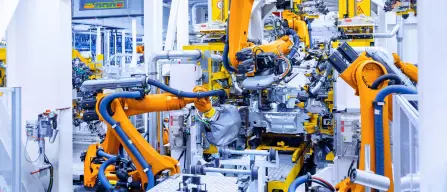
In automotive manufacturing, digital twins model every detail of a welding line: robot trajectories, fixture loads, weld parameters, and cycle times. Engineers can simulate changes like a 15% throughput increase or a design variation, spotting risks before implementation.
The results include:
- Faster adaptation to demand changes
- Fewer weld defects
- Optimized energy usage during idle states
Pharmaceutical Packaging
Pharma companies use digital twins to model packaging lines where compliance and sterility are critical. Simulating workflows reduces contamination risk, ensures accuracy, and speeds up regulatory approval.
Logistics & Warehousing
In warehouses, digital twins model picking routes, storage configurations, and staffing patterns. By experimenting virtually, logistics companies cut bottlenecks and improve on-time delivery rates.
Energy & Utilities
Power producers simulate grid fluctuations with digital twins. This helps balance renewable energy inputs and stabilize output in real time – improving resilience in the face of rising demand.
Digital twins are part of a broader digital transformation movement – connecting automation, IoT, and AI into integrated ecosystems. Their role is unique: they don’t just collect data, they contextualize it.
That’s why they’re seen as the backbone of smart manufacturing and supply chain management. They give leaders a digital crystal ball – helping them make decisions grounded in real-time insights, not guesswork.
Beyond Cost Savings: The Value of Predictability
Most business cases for digital twins start with cost reduction – less downtime, fewer defects, lower energy bills. But the true value lies in predictability.
With digital twins, companies can:
- Anticipate risks before they happen
- Plan expansions with data-backed confidence
- Shift from firefighting to proactive strategy
This cultural shift – from reactive to predictive – is where digital twins deliver their greatest ROI.
Future Outlook
The trajectory is clear: digital twins are moving from single-machine applications to plant-wide and supply chain-wide implementations. As platforms mature, they’ll extend across industries including healthcare, construction, and energy.
The companies that thrive will be those that use digital twins not just to save money – but to adapt faster, stay resilient, and lead with data-driven confidence.
Digital twins are no longer buzzwords. They’re practical, accessible, and delivering value right now. From predictive maintenance to supply chain resilience, they’re helping businesses cut costs, boost quality, and operate with greater foresight.
In a world defined by uncertainty, predictability is power – and digital twins are making it possible.Want to keep up with the latest in smart manufacturing, automation, and Industry 4.0?
👉 Connect with us on LinkedIn for more insights, trends, and practical takeaways.